Cayuga Neurologic Services has highly trained, experienced neurologists who specialize in diagnosing and treating disorders of the central nervous system, comprising the brain, the spinal cord, and the nerves.
Stroke
Clinical Practice Guidelines
Clinical Practice Guidelines (CPGs) drive for best practice for stroke care. They are compiled by experts in the field and organized by Classes of Recommendation (COR) and levels of evidence (LOE). CPGs create the framework upon which the Stroke Program is built: policies, procedures, order sets, and algorithms all stem from the evidence-based recommendations found within them
Clinical Practice Guidelines (CPGs) drive for best practice for stroke care. They are compiled by experts in the field and organized by Classes of Recommendation (COR) and levels of evidence (LOE). CPGs create the framework upon which the Stroke Program is built: policies, procedures, order sets, and algorithms all stem from the evidence-based recommendations found within them.
COR determines to what extent the benefits of a particular recommendation outweigh the risks or vice versa; for example, giving thrombolytics to an eligible patient is the highest level of recommendation, I, as its benefits have been shown to outweigh Its risks and its one of two definitive treatments for ischemic stroke. On the other hand, starting a Foley catheter on every patient is a 3H, shown repeatedly to cause harm and thus to be avoided.
LOE determines the strength of the supporting evidence, A representing a large, multi-center randomized controlled trial (RCT) all the way down to CEO, which is expert opinion. However, just because a recommendation is CEO, doesn’t mean that it’s worthless. For example, educating emergency dispatchers on signs of stroke is CEO because it will never lend itself well—or ethically—to an RCT: e.g., you would never tell Tompkins County to educate their dispatchers and Cortland County not to as an experimental model to prove a point; it would be unethical and ridiculous.
Official CPGs
2023 Diagnosis, Workup, Risk Reduction of Transient Ischemic Attack in ER
2022 Guideline for the Management of Patients With Spontaneous Intracerebral Hemorrhage
2021 Care of the Patient With Acute Ischemic Stroke (Prehospital and Acute Phase of Care)
2019 Guidelines for the Early Management of Patients With Acute Ischemic Stroke
Additional CPGs
2021 Care of the Patient With Acute Ischemic Stroke (Post-hyperacute and Prehospital Discharge)
2021 Guideline for the Prevention of Stroke in Patients With Stroke and Transient Ischemic Attack
2021 Clinical Performance Measures for Stroke Rehabilitation

COLLABORATIONS
University of Rochester Medicine

The level of care at URMC is widely recognized as among the best in the nation. U.S. News and World Report has ranked the URMC Department of Neurosciences among the top hospitals in the country and the number one hospital in the Rochester metro area. The relationship with URMC helps to advance neurosciences at Cayuga Medical Center in a rapidly evolving field. The criteria and protocols developed at URMC for stroke patients and spinal surgery patients are available at Cayuga Medical Center.
In an additional collaboration with URMC, the Epilepsy Monitoring Unit was created at Cayuga Medical Center in 2015, advancing the level of care for area patients diagnosed with epilepsy. Neurologists and neurosurgeons on staff at Cayuga Medical Center continue to collaborate on services that can be offered jointly.
RESOURCES
Latest News
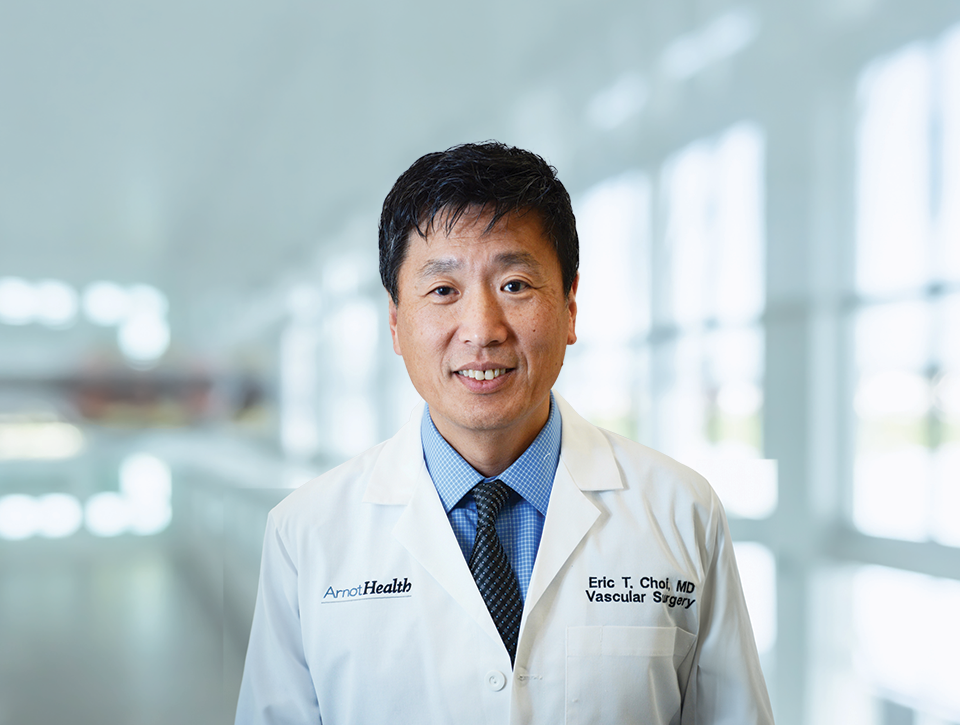
Cayuga Medical Center Awarded Advanced Primary Stroke Center Certification from The Joint Commission
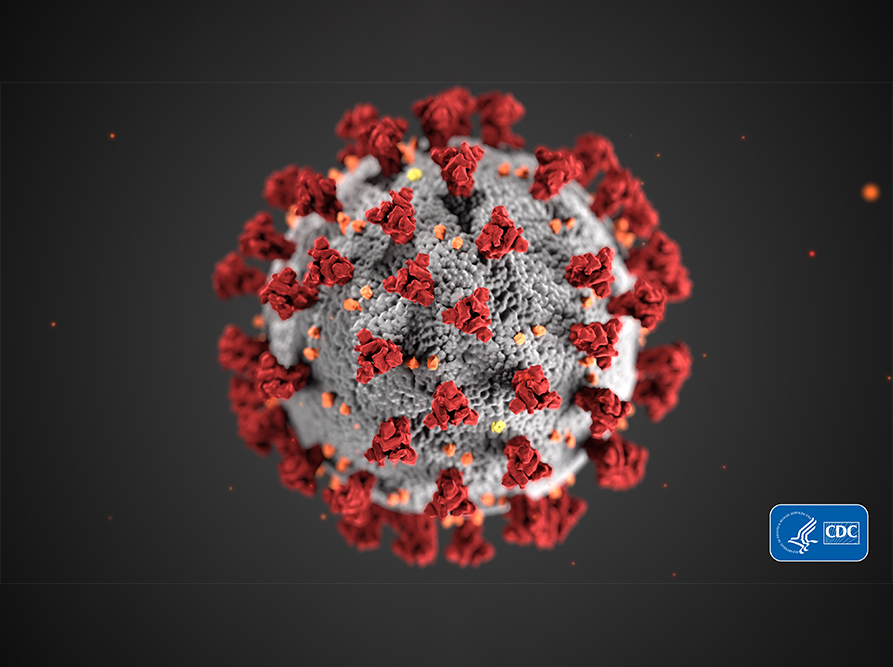
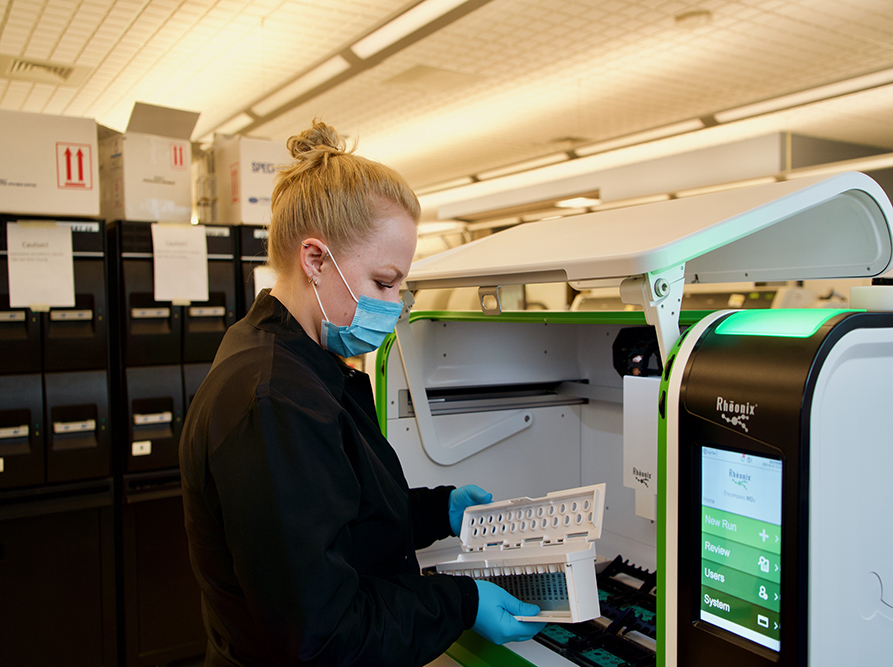
Cayuga Health Teams Up with Ithaca-Based Rheonix to Provide Same-Day Turnaround For COVID-19 Testing
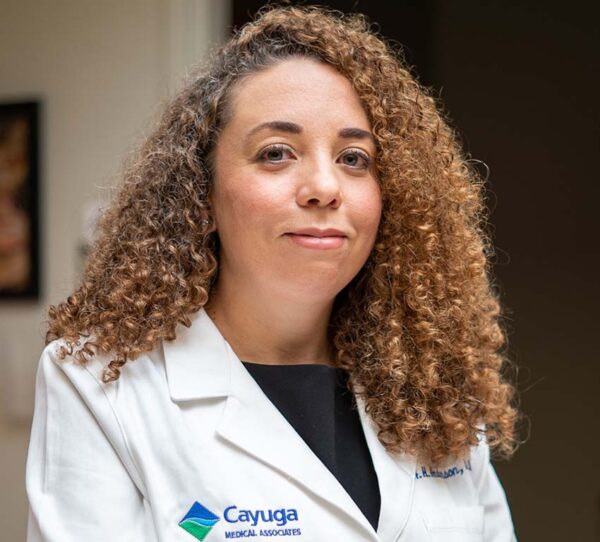
Schuyler Hospital and Schuyler County Public Health Need Community Help in Prioritizing Health Needs

what our neurology patients are saying

“I’ve got more hope now.”