Partnership with CBOs
Mental Health and Substance Abuse: What Medical Providers Need to Know
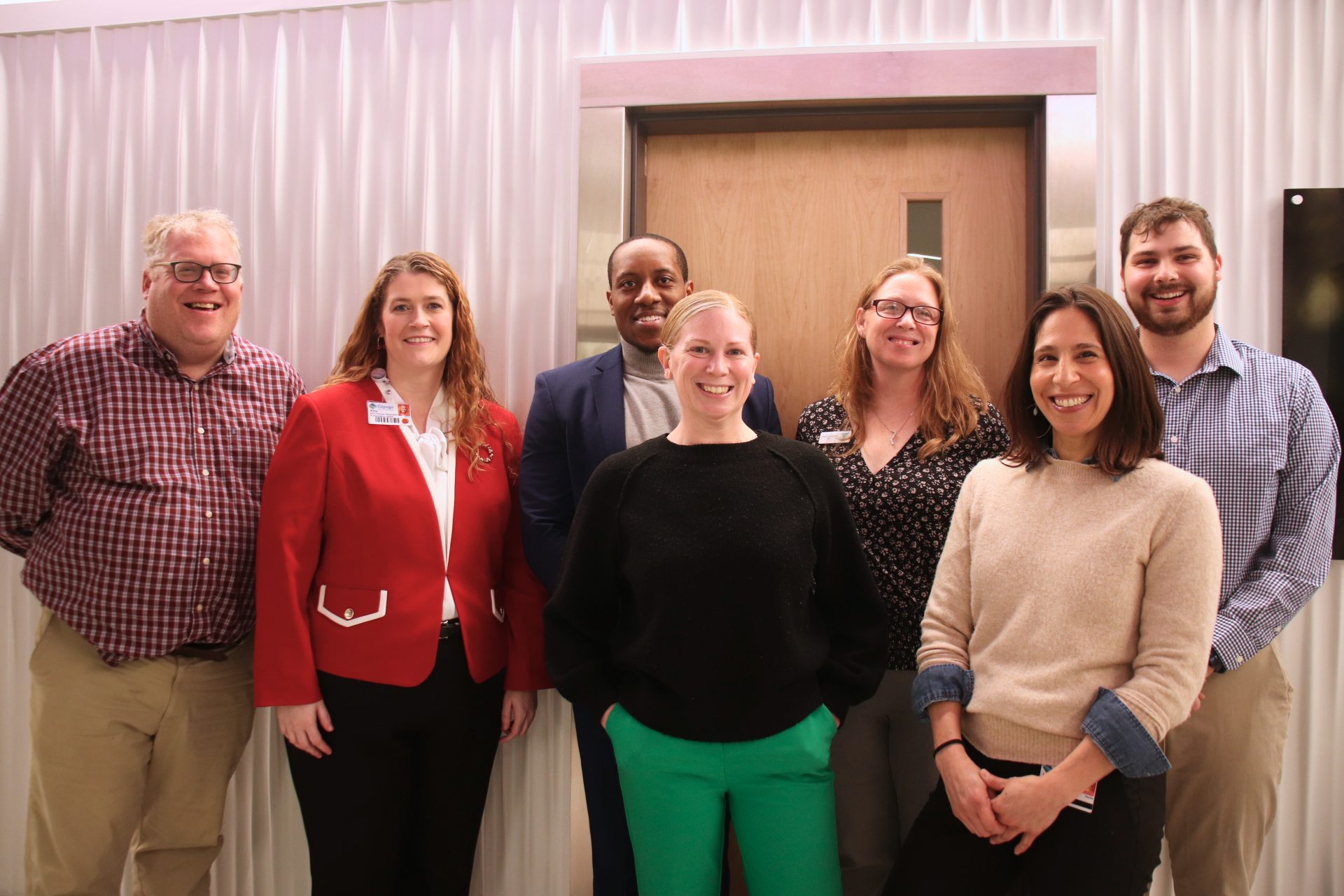
An Evening of Learning at the Ithaca Country Club organized by CAP and the (DSRIP)
North RPU Behavioral Health Committee and sponsored by Care Compass Network
On September 28th, CAP providers and practice managers joined a number of
community-based organizations and care providers in an event designed to
bring together physical and behavioral health providers in Tompkins County.
Dr. Jamie Loehr from Cayuga Family Medicine moderated the evening which
included a panel discussion with representatives from the Alcohol and Drug
Council of Tompkins County, Cayuga Addiction Recovery Services, Cayuga
Family Medicine, Cayuga Medical Center, Family & Children’s Service of Ithaca,
and Tompkins County Mental Health. The evening was a great success with
over 70 people in attendance and brought increased awareness of local
behavioral health services in the community. There was excellent discussion at
the event, and evoked dialogue surrounding care provider collaboration and
enhancing communication across the care continuum.
Behavioral health services/care coordination
Funding for the integration of behavioral health services into the primary care setting has been made available through the NYS DSRIP (Medicaid Reform) initiative. Several CAP practices have tapped into this funding to add behavioral health services in their practices. Cayuga Family Medicine is one such practice who has taken advantage of this funding and was quick to see the benefits for both their patients and their practice. The ability to provide patients with these types of services in a “one stop shop” sort of way has proved convenient for the patients, providing them with a sense of comfort and familiarity. Patients are able to come to an office they are already familiar and comfortable with. Providers are seeing the benefits of having onsite behavioral health providers; as they now know their patients are receiving the services needed to promote optimal health outcomes.
Care Management Program
In 2015, CAP’s Care Management Program began integrating with primary care practices to provide care coordination services, actively engaging patients within a small employer-based pilot population. By early 2016, that pilot group showed a significant decrease in emergency department and urgent care utilization as well as a decrease in ambulatory care sensitive conditions. Having shown success in the pilot stage, CAP began to explore ways to expand its model to provide care coordination services to additional populations. In mid-2016, Care Compass Network announced its inaugural Innovation Fund program, CAP already in discussions with Molina regarding a value-based contract, was quick to recognize an opportunity to leverage both of these opportunities to rapidly expand its Care Management Program. CAP submitted a proposal to allow service expansion and a heavier focus on reducing known gaps in care, and was one of nine Innovative Fund recipients, receiving over $500,000 of the $2 million award. With these funds, CAP expanded its Care Management Program in early 2017 to include Medicaid members within the network, focusing on those patients attributed to a CAP PCP; although care coordination happens across all specialties including community-based organizations. CCN Innovation funds provided CAP the means to hire two additional Care Coordination RNs working with assigned PCP practices in efforts to decrease avoidable emergency room admissions, increase engagement in self management, reduce gaps in care, and overtime provide significant cost savings to the network.
Coordination of care through PCMH
Achieving Patient Centered Medical Home (PCMH) Recognition
Over the last year and a half, Primary Care Practices in CAP have taken on the work and additional effort required to become Patient Centered Medical Homes. Patient-centered medical homes (PCMH) transform primary care practices into what patients want: health care that focuses on them and their needs. The PCMH recognition program was devised to better coordinate care through the primary care physician ensuring patients receive necessary care when and where they need it, in a manner they can understand, and promote optimal health outcomes. In Patient Centered Medical Homes, patients have a team of individuals – from clinicians to front office staff – all working together to make sure patients receive coordinated care and are engaged in their own healthcare decisions. Through the medical home model, practices seek to improve the quality, effectiveness, and efficiency of the care they deliver while responding to each patient’s unique needs and preferences.


what our patients are saying
“I have had many occasions visiting CMC for myself and family. We have never had a bad experience there at all. Last October I had surgery and the nurses were amazing especially my night nurse. Thank you to all CMC staff for doing what you do every day with a smile.”
“I have been a Hemo dialysis patient for almost Five years. Prior to dialysis and during dialysis I have had several trips to the ER, due to other health issues & was admitted to CMC more than a few times. Each and every time I’ve been there, whether in patient or out, I have been treated with respect, professionalism, and efficiency. I give this hospital 2 thumbs up!! Thank you CMC for taking care of me all these years!!”
“The staff and accommodations at Cayuga Birthplace are amazing!!! This is what it I imagine it would feel like to be a celebrity getting VIP treatment. I wish I could stay longer – even the food options are 5 Star! The amenities are great. Everything is clean and designed beautifully. Not a single complaint, only praises!”
“I have to say the last couple visits that I’ve had here have been wonderful. About a month ago I had an EGD and the staff were amazing! Explained everything in detail and made me feel at ease. I was very nervous and the nurse I had was very comforting. Tonight we had to take my son to the emergency room and they were awesome with him! We got right in. “