Gastroenterologists specialize in preventing, diagnosing and treating digestive tract and liver disorders. These mainly include conditions involving the pancreas, liver, gallbladder, esophagus, stomach, small intestine and colon.
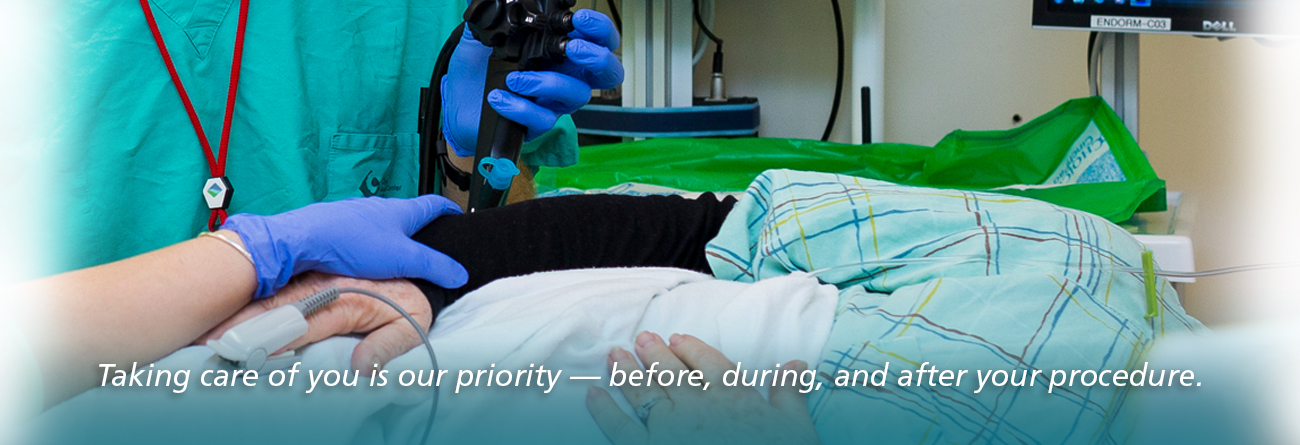
Our team of gastroenterology care providers is deeply committed to excellent customer service for each and every patient in our care. Our doctors, nurses, technicians, and support staff understand that patients are often anxious. We are committed to making your visit as comfortable and stress-free as possible.
Our caregivers emphasize clinical excellence, compassion, and patient confidentiality. We will ask you for feedback on the care you received so that we can continually improve our service.
Conditions treated include:
Barrett’s esophagus is when the normal cells that line your food pipe (esophagus) turn into abnormal cells not usually found in your esophagus. The abnormal cells take over because the lining of the esophagus has been damaged.
Barrett’s esophagus can occur if you have frequent heartburn that lasts for many years. Heartburn is also called GERD (gastroesophageal reflux disease) or acid reflux disease.
If you have long-term (chronic) heartburn, you are at risk for Barrett’s esophagus. Talk with your healthcare provider.
Clostridioides difficile is a bacterium that causes an infection of the colon, the longest part of the large intestine. Symptoms can range from diarrhea to life-threatening damage to the colon. The bacterium is often called C. difficile or C. diff.
Make a healthcare appointment if you have:
- Three or more watery stools a day.
- Symptoms lasting more than two days.
- A new fever.
- Severe belly pain or cramping.
- Blood in your stool.
Celiac disease is a long-term (chronic) digestive problem that hurts your small intestine. It stops your body from taking in nutrients from food. It is different from gluten sensitivity or intolerance. Celiac disease is genetic, meaning it can be passed down from parent to child.
Celiac disease affects people in different ways. Some have symptoms as children. Others have symptoms only as adults. Some people have diarrhea and belly (abdominal) pain. Others may feel moody or depressed.
Each person’s symptoms may vary. Common signs of celiac disease include:
- Constant (chronic) diarrhea or constipation
- Weight loss
- Gas
- Pale, bad-smelling stool
- Unexplained low blood count that makes you feel tired (anemia)
- Tingling, numb feeling in the legs
- Missed menstrual periods (linked to too much weight loss)
- Infertility
- Weak and brittle bones (osteoporosis) at a young age, or bone fractures
- Teeth changing color or losing their enamel
Celiac disease can be painful. Some common pain symptoms are:
- Stomach pain or swelling (bloating) that keeps coming back
- Muscle cramps or bone pain
- Pain in the joints
- Painful, itchy skin rash
Crohn’s disease is a chronic condition of your gastrointestinal tract. Over time Crohn’s can damage parts of the GI tract. Although it commonly affects the end of small intestine (ileum) and the beginning of the large intestine (colon), it may be found anywhere in the GI tract.
Diverticular disease is a group of conditions in which tiny pouches form in the colon. The pouches are called diverticula.
These pouches bulge out through weak spots in your colon. The pouches can become inflamed (red, swollen) or infected. When the pouches are infected, the condition is called diverticulitis. Over half of people in the United States over age 60 will have diverticulosis. Some people with diverticulosis also get diverticulitis.
Diverticular disease includes:
- Diverticulosis. This is when you have one or more tiny pouches called diverticula in your colon.
- Diverticulitis. This is when the pouches in your colon get inflamed with or without infection.
- Diverticular bleeding. This happens when a small blood vessel in a pouch breaks open and bleeds.
Irritable bowel syndrome (IBS) is a disorder that affects your lower gastrointestinal tract. This includes the small intestine and large intestine (colon). It is diagnosed when a person has belly pain or spasm associated with a change in the appearance or frequency of their bowel movements. IBS is a long-term, chronic condition. It can be painful, but it doesn’t cause lasting harm to your intestines. And it doesn’t lead to serious disease, such as cancer. It causes:
- Belly cramps
- Gas
- Swelling or bloating
- Changes in your bowel habits, such as diarrhea or constipation
When you have IBS, your colon looks normal. But it does not work the way it should.
Pancreatitis is a disease that causes inflammation and pain in your pancreas. The pancreas is a small organ that makes hormones such as insulin. This helps control blood sugar. It also makes enzymes that help digest and break down the foods you eat. This is part of the digestive process. Sometimes a gallstone gets stuck in the common bile duct. This can block your pancreatic duct and cause pancreatitis. This is known as gallstone pancreatitis.
Severe pain is the most common symptom of gallstone pancreatitis. But it’s not the only symptom. You might also have:
- Chills
- Fever
- Yellow color to the eyes, skin, or both (jaundice)
- Nausea
- Pain that feels sharp or a “squeezing” in your center or left upper belly (abdomen) or in your back
- Pain that travels from the original site up to the shoulder or chest
- Vomiting
GERD (gastroesophageal reflux disease) is a digestive disorder. It’s caused when gastric acid from your stomach flows back up into your food pipe (esophagus). Heartburn is the most common symptom of GERD. Treatment will depend on your symptoms, age, and general health. It will also depend on how severe the condition is. In many cases making diet and lifestyle changes can help reduce GERD symptoms. If GERD is not treated, it can lead to other health problems.
Some lifestyle issues that can cause GERD may include:
- Being overweight
- Overeating
- Eating foods such as citrus, chocolate, and fatty or spicy foods
- Having caffeine
- Having alcohol
- Smoking
- Using aspirin and over-the-counter pain and fever medicines. These include nonsteroidal anti-inflammatory drugs (NSAIDs) such as ibuprofen and naproxen.
You may be more at risk for GERD if you:
- Have a part of your stomach slide up out of the belly cavity next to your esophagus (hiatal hernia)
- Have a weak lower esophageal sphincter or LES
- Are obese
- Are pregnant
- Use some medicines, such as aspirin or over-the-counter pain and fever medicines such as NSAIDs
- Smoke or are around secondhand smoke
- Drink alcohol
- Are older
A peptic ulcer is a sore on the lining of your stomach or the first part of your small intestine (duodenum). Stomach acids and other digestive juices help create ulcers. These fluids harm the linings of your organs.
The most common causes of peptic ulcers include:
- H. pylori bacteria (Helicobacter pylori). These bacteria hurt the mucus that protects the lining of your stomach and the first part of your small intestine (the duodenum). Stomach acid then gets through to the lining.
- NSAIDs (nonsteroidal anti-inflammatory medicines). These are over-the-counter pain and fever medicines such as aspirin, ibuprofen, and naproxen. Long-term use can damage the mucus that protects the lining of your stomach.
The most common ulcer symptom is a dull or burning pain in your belly between your breastbone and your belly button (navel). This pain often occurs between meals or may wake you up at night. It can last from a few minutes to a few hours.
Direct Access Colonoscopies
We offer Direct Access Colonoscopies as a more convenient way to stay on top of colorectal health.
If you’re between the ages of 45 and 75, and are not currently on blood thinners or have any cardiac devices, you may qualify to schedule your colonoscopy without the extra step of a pre‑procedure consultation. This streamlined approach means shorter wait times, less hassle with scheduling, and quicker results delivered right to your care team. By removing barriers, we help you focus on what matters most: getting the preventive screening you need, when you need it, so you can feel confident about your health and enjoy peace of mind for the future.
Call us at (607) 339-0788
Most gastroenterology procedures performed in Ithaca are scheduled at the new Cayuga Endoscopy Center, though certain, specific procedures are performed at Cayuga Medical Center. Patients in and near Schuyler County also have the convenient option of receiving their care in the Schuyler Hospital Specialty Clinic and endoscopies and colonoscopies in Schuyler Hospital’s surgical suites.
- With four procedure rooms and nine spacious, private, pre- and post-operative patient rooms, Cayuga Endoscopy Center is the largest dedicated endoscopy center in the region.
- Patient care is provided in a setting that offers comfort and privacy. Parking at the center is very convenient, with easy access and streamlined patient registration.
- Our gastroenterology specialists perform a wide array of gastrointestinal (GI) tract procedures, including procedures involving the upper GI tract (the esophagus and stomach), the small intestine, and the lower GI tract (the large intestine, or colon, and the rectum). Our gastroenterologists perform biliary endoscopy (of the gall bladder and bile ducts), and they use argon plasma coagulation and bipolar electrocoagulation to manage lesions and acute bleeding in the GI tract.
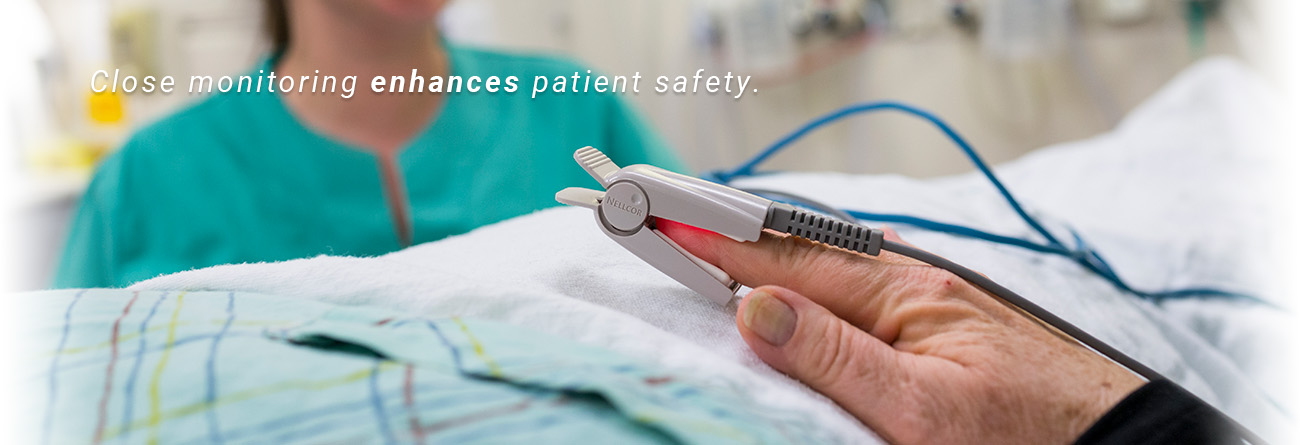
Patient safety is our top priority. Our experienced board-certified and board eligible gastroenterologists, assisted by a team of registered nurses, technicians, and staff the Cayuga Endoscopy Center and Schuyler Surgical Suite, provide this region with comprehensive management of all diseases of the digestive tract and liver.
Our doctors completed their fellowship training in gastroenterology at some of the nation’s top medical centers, including the University of Rochester Medicine School, Medical College of Virginia, and The Cleveland Clinic. They are assisted in patient care by certified technicians and registered nurses, many of whom are certified by the Society for Gastrointestinal Nurses Association (SGNA).
Endoscopic procedures are performed at the Cayuga Endoscopy Center, Cayuga Medical Center, and Schuyler Hospital. The location for your exam will depend, in part, on the procedure you are having performed.
- Your gastroenterologist will provide you with instructions describing what you should do to prepare for your endoscopy procedure. Depending on your specific exam, you may be asked to avoid certain types of food and drink in the three days leading up to your appointment. You may also be asked to undergo a special prep to cleanse your lower gastrointestinal tract. All of this information will be among the materials you receive from your gastroenterologist.
- Give yourself an extra 15 minutes to check in prior to your appointment time. Because you are likely to be administered a sedative before your procedure, you must arrange with a family member or friend to review test results and discharge instructions with your physicians and to drive you home after your procedure. We require that you have a driver because patient safety is our top priority.
- After your exam, you will be moved to the recovery area of the endoscopy suite until you are fully awake and meet certain discharge criteria. Your physician will discuss the results with you, and will send a report to your primary care provider.
- Colorectal cancer can start with no symptoms.
- Precancerous polyps and early-stage colorectal cancer don’t always have symptoms, especially at first. This means that you could have polyps or colorectal cancer and not know it.
- If you are 45 or older, getting screened could save your life!
- Colorectal cancer usually starts from polyps in the colon or rectum. A polyp is a growth that shouldn’t be there.
- Some polyps can turn into cancer over a period of time.
- Screening tests can find polyps, so they can be removed BEFORE they turn into cancer.
- Screening tests can also find cancer early. When found early, the chance of being cured is good.
- Limit your intake of red meats (eat more chicken and turkey breast)
- Limit your intake of processed meats (stay away from bologna)
- Increase your activity (walking is an excellent way to exercise)
- Maintain a healthy weight (eat in moderation, obesity increases your risk of colorectal cancer)
- Limit alcohol intake
- Do not use tobacco products – (Quit Smoking)
- Colorectal cancer is the second leading cause of cancer death in the United States.
- It affects both men and women equally.
- If detected and treated early, colon cancer is up to 90% curable.
- There are currently more than one million colon cancer survivors in the United States.
Colon cancer can occur in anyone and does not discriminate. However, studies show that individuals in the following categories may be at higher risk:
- Those individuals with a personal or immediate family history of colon cancer or colon polyps
- People age 50 or older
- Individuals with a history of inflammatory bowel disease, such as Crohn’s disease or ulcerative colitis